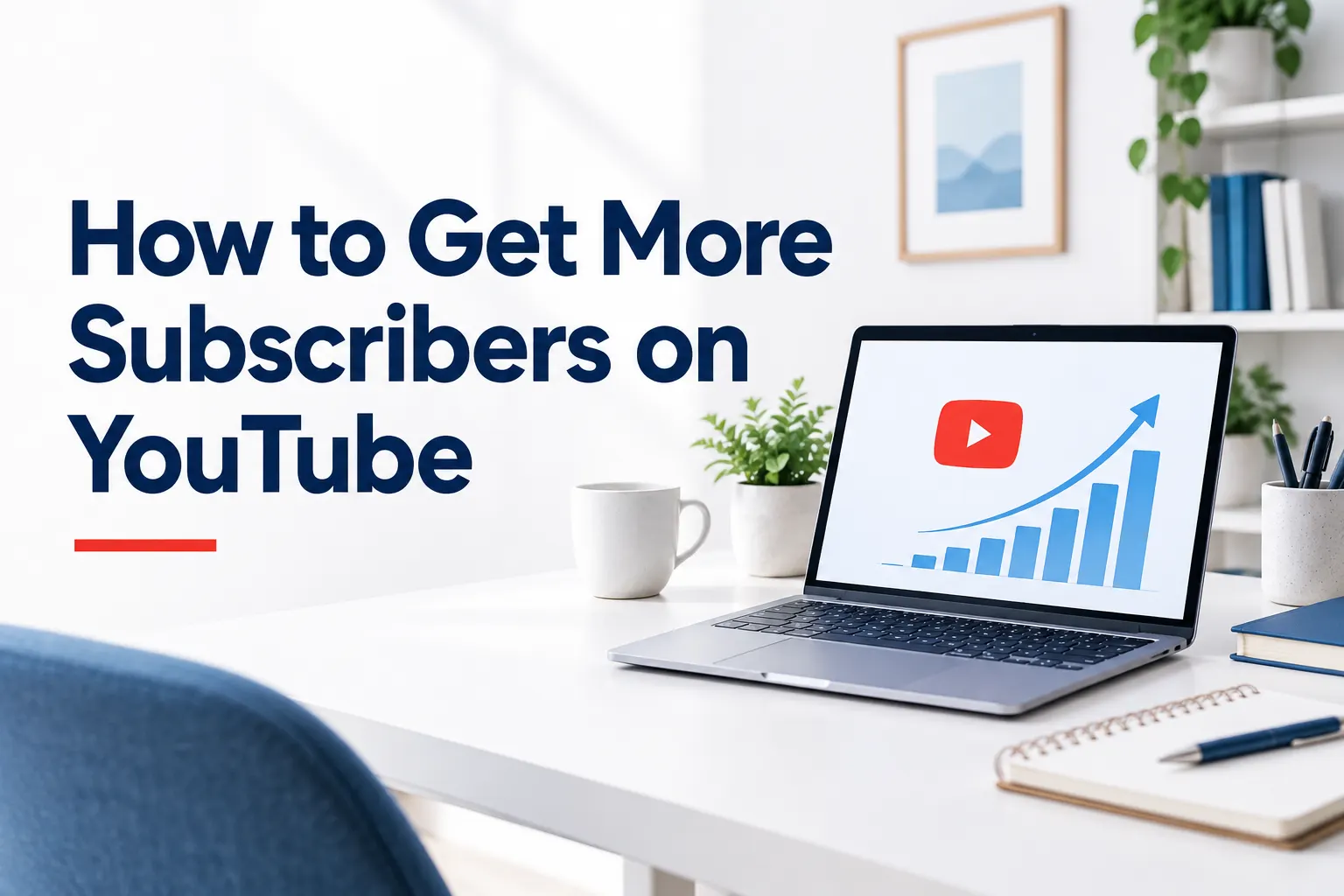
How to Get More Subscribers on YouTube
How to get more YouTube subscribers with 15 practical strategies, a 30-day growth plan, and tips for turning viewers into a loyal audience.
A viewer can enjoy one of your videos, learn something useful, and still leave without subscribing. That doesn't necessarily mean the video failed. It may simply mean the viewer hasn't yet seen a reason to come back.
Learning how to get more subscribers on YouTube is about more than adding a subscribe animation or asking people to click a button. It's about attracting the right viewers, delivering on your promise, and making it clear what they'll gain from watching your next video.
In this guide, you'll find 15 practical strategies for earning organic YouTube subscribers, along with examples, a 30-day action plan, and ways to diagnose why people watch without subscribing. There are no guaranteed shortcuts: growth depends on your content, audience interest, consistency, and how satisfied viewers are with what they watch.
Why YouTube Subscribers Matter
Subscribers are people who have chosen to keep up with your channel. They can become a valuable foundation for a community, offer feedback on your ideas, and return to videos that match their interests.
But a subscriber count is not the same thing as an active audience. Someone may subscribe and rarely watch again, while another person may watch regularly without subscribing. More subscribers do not automatically guarantee more views on every upload.
A useful goal is to earn subscribers who recognize your channel's value and genuinely want more of it—not simply to make the number on your channel page go up.
How YouTube Subscriptions and Recommendations Work
What happens when someone subscribes?
When viewers subscribe, they add your channel to their subscriptions and can more easily keep up with your uploads. They may also receive notifications, depending on their notification settings and YouTube's notification behavior. A subscription does not mean every upload will be watched or that every subscriber will receive every notification.
How does YouTube recommend videos?
YouTube personalizes recommendations using signals such as watch history, search history, subscriptions, likes, dislikes, feedback, and satisfaction surveys. Different surfaces use different signals. For example, the video a person is currently watching is especially relevant to what appears as a suggested next video.
Subscriptions are one signal, but subscribing does not guarantee that a channel's videos will be recommended. Likewise, there is no reliable public formula that says a certain number of subscribers, keywords, or uploads will unlock growth.
Instead of trying to reverse-engineer a secret algorithm, focus on a question you can act on: Would the right viewer be glad they clicked this video—and interested in another one?
Why Do Viewers Subscribe to a YouTube Channel?
People usually subscribe when they expect future value. A single useful video can create that expectation, but the surrounding channel experience helps answer the bigger question: “Will this creator help me again?”
That expectation often comes from a combination of:
- Relevance: The channel covers a subject they care about.
- Trust: The creator delivers what the title and thumbnail promise.
- Clarity: It's easy to understand what the channel offers.
- Connection: The presentation, personality, or community feels worth returning to.
- Continuity: Other videos address related questions or interests.
Keep those reasons in mind as you work through the strategies below.
15 Practical Strategies to Get More Subscribers on YouTube
1. Choose a Clear YouTube Channel Niche
A niche doesn't have to trap you in one narrow topic forever. Its purpose is to give viewers a recognizable reason to return.
Start with a simple statement: “I help [audience] achieve [outcome] through [type of content].” For example, “I help beginners cook affordable vegetarian meals through practical weekly recipes” is more specific than “I make videos about food.”
Choose two or three related content pillars under that promise. The cooking channel might cover quick dinners, grocery budgeting, and basic techniques. These topics are different enough to create variety but connected enough to appeal to the same viewers.
If you're starting from scratch, use this beginner's guide to growing a YouTube channel from zero to build the foundations alongside your niche.
2. Understand Your Target Audience
“Everyone interested in fitness” is not a useful audience definition. A better starting point might be “busy beginners who want short strength workouts they can do at home.” That distinction changes the examples, equipment, titles, and explanations you choose.
Write down your ideal viewer's current situation, their desired result, and the obstacles between the two. Then look for recurring questions in your own comments, relevant communities, search suggestions, and conversations with real viewers.
Try this: Create a list of ten questions your intended viewer might ask before, during, and after achieving their goal. Use it to plan videos that help the same person at different stages.
3. Create Content That Solves Specific Viewer Problems
A broad topic can attract interest, but a specific problem gives someone a reason to click now. Instead of “Camera Tips,” try “How to Film Clear Videos in a Small, Dark Room.” The second idea tells the viewer what problem the video addresses.
Make the result concrete, then build the video around it. Show the steps, explain common mistakes, and include a realistic example or demonstration. If a technique has limitations, say so.
For discovery ideas, start with the audience's actual questions and use this guide to finding relevant YouTube keywords. Keywords can help you understand search language; they cannot make an unhelpful video valuable.
4. Publish Videos Consistently at a Sustainable Pace
Consistency is a working habit, not a magic upload-frequency rule. A schedule you can maintain gives you more opportunities to learn and helps viewers understand what to expect, but posting more often is not useful if quality collapses.
Choose a manageable rhythm—perhaps one substantial video every week or every two weeks. Plan several ideas in advance, batch tasks where practical, and leave room to improve your next video based on what you learn.
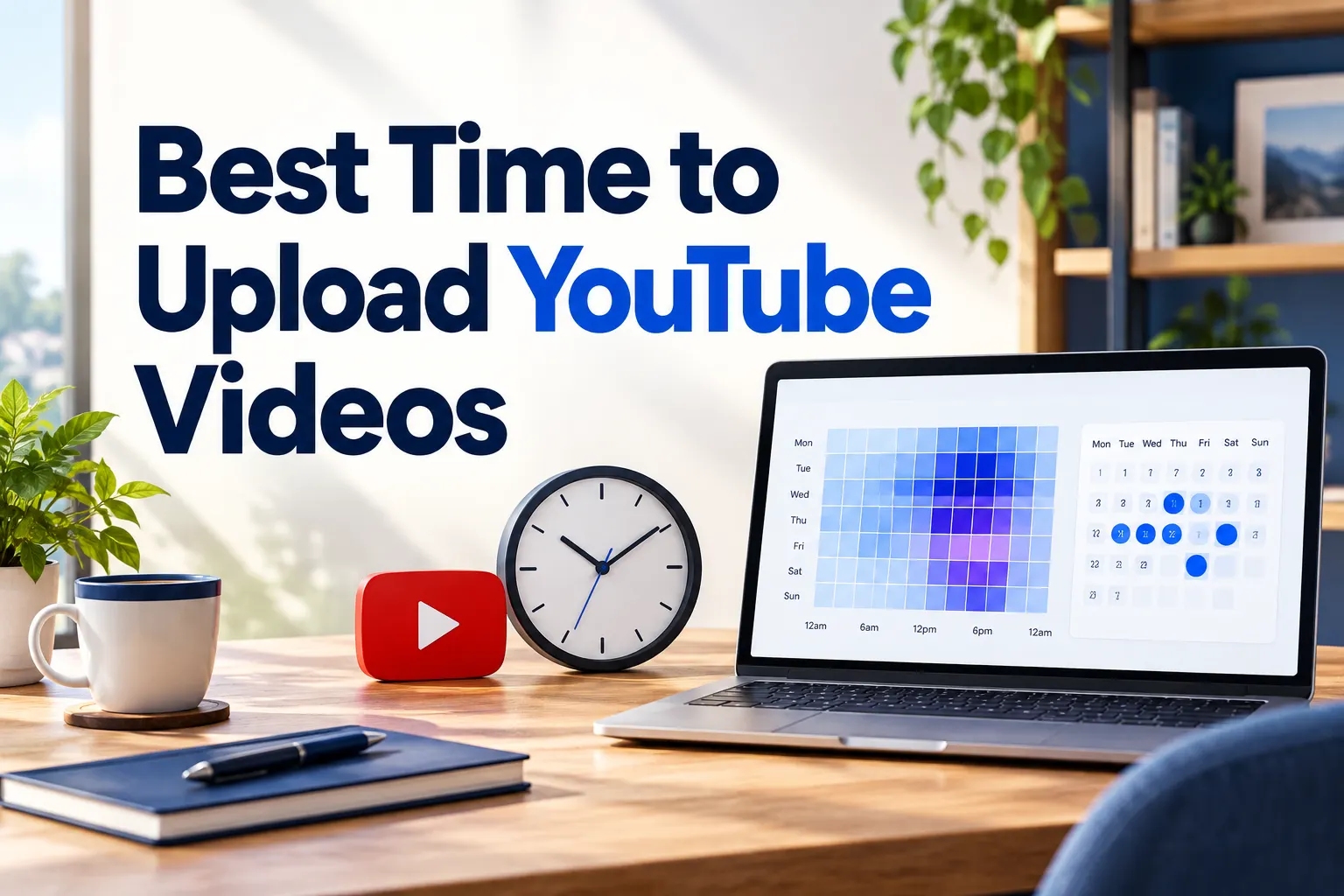
If your audience data is available, consider when your viewers are active. The guide to choosing a YouTube upload time can help you think through timing, but a convenient time cannot rescue a video that doesn't meet viewer needs.
5. Write Titles That Attract the Right Viewers
A good title gives a relevant viewer a clear reason to watch. It should communicate the subject or benefit without promising an outcome the video doesn't deliver.
Compare these examples:
- Vague: “My Latest Editing Tips”
- More specific: “How to Edit Your First YouTube Video on a Phone”
- Misleading: “This Editing Trick Guarantees Viral Videos”
The stronger example identifies the task and intended viewer. It does not need to exaggerate. For more examples, see how to write catchy YouTube video titles. You can also use the YouTube title generator to brainstorm, then edit each suggestion for accuracy and audience fit.
6. Create Relevant, Easy-to-Understand Thumbnails
Your thumbnail and title work together. The title can explain the topic; the thumbnail can make the situation or result easier to grasp at a glance.
For a video about organizing a tiny kitchen, a clear before-and-after image may communicate more than a crowded collage with a long sentence. Use readable contrast, a simple focal point, and only the text needed to add context. Check the image at a small size before publishing.
Most importantly, the thumbnail should represent the actual video. An attractive image that creates the wrong expectation may win an accidental click but lose the viewer's trust. Review the YouTube thumbnail size guide for practical formatting guidance.
7. Write Helpful Descriptions and Use Relevant Keywords
Use the first lines of your description to explain what the video covers and whom it helps. Add useful details, such as chapter information or resources, when appropriate. Include natural phrases a viewer might use, but don't repeat a keyword in every sentence.
For example: “Learn how to record clear voiceovers in a bedroom using an inexpensive microphone. This tutorial covers microphone placement, room noise, and basic audio settings.”
The guide to SEO-friendly YouTube descriptions can help you structure the details, while the YouTube description generator can provide a starting draft. Check and customize any generated text before publishing.
Don't confuse descriptions with a list of tags. YouTube says tags generally play a minimal role in discovery, though they can help with common misspellings. See whether YouTube tags still matter for SEO for a closer look.
8. Make the Opening Seconds Worth Watching
The beginning of a video should reassure viewers that they clicked the right thing. Show the result, identify the problem, or demonstrate what they'll learn before moving into background information.
For a video about fixing shaky footage, you could open with a quick before-and-after comparison: “Here's the original clip, and here's the result after three simple adjustments. Let's start with how you hold the camera.”
That is more useful than a long logo animation followed by several minutes of unrelated introduction. An engaging opening doesn't have to be loud or fast; it has to be relevant. Use audience-retention reports to see where viewers leave, then investigate whether the opening matches the promise. For more practical ideas, read how to increase YouTube watch time.
9. Give Viewers a Genuine Reason to Subscribe
Asking for a subscription is allowed, but the request is more meaningful when it explains what's coming next. Make the invitation specific to the channel rather than relying on a generic animation.
For example:
- For a budgeting channel: “If you're building a budget for the first time, subscribe for practical ways to save and plan without complicated spreadsheets.”
- For a gardening channel: “Subscribe if you'd like more small-space growing guides—from choosing containers to harvesting your first vegetables.”
- For an editing channel: “I share beginner-friendly editing tutorials, so subscribe if you want to make better videos with the tools you already have.”
Place the request where it feels natural, such as after you've delivered a useful tip or near the end of the video. Avoid repeated interruptions, pressure, or implying that subscribing is required to receive the advice.
10. Create Series and Related Video Content
A strong series gives viewers a reason to return because each video answers a related question. Plan topics that work independently but also fit together.
For example, a beginner photography channel could publish:
- “How to Use Your Camera in Automatic Mode”
- “Three Ways to Improve Indoor Lighting”
- “How to Take Sharper Portraits”
- “A Simple Photo Editing Workflow for Beginners”
At the end of each video, mention the next relevant lesson rather than saying only “watch more videos.” If someone came for indoor lighting, a portrait-lighting follow-up is a more natural next step than an unrelated camera review.
11. Use YouTube Shorts to Introduce Your Channel
Shorts can introduce your ideas to people who haven't encountered your channel. The most useful Shorts for subscriber growth are not necessarily the ones with the broadest reach; they are the ones that attract viewers who also care about your larger topic.
Suppose your long-form video teaches beginners how to make sourdough. A Short that demonstrates one simple way to tell whether dough is ready to bake can stand alone as a useful tip while pointing interested viewers toward the longer lesson.
In YouTube Studio, you can add a related video to a Short to feature another piece of your content. This requires advanced feature access, and the selected video must meet YouTube's requirements. For ideas on improving discovery, see how to get more views on YouTube Shorts.
12. Build Playlists Around a Clear Viewer Goal
A series is an editorial plan; a playlist is a way to organize videos so viewers can find the right sequence. You can include videos from one series or bring together related videos you've published at different times.
Give each playlist a useful name, such as “Beginner Home Workouts: Start Here” or “Learn Video Editing on Your Phone.” Put the most appropriate starting video near the beginning, and remove videos that no longer fit the viewer's goal.
Add relevant playlists to your channel page and, where appropriate, mention them in descriptions or end screens. The aim is to reduce the effort required to find the next useful video—not to force people through a viewing path.
13. Engage With Viewers Through Comments and Community Features
Comments can show you what viewers understood, what confused them, and what they want to learn next. Set aside a realistic amount of time after publishing to respond thoughtfully, especially to questions that other viewers might also have.
Instead of ending every video with “Comment below,” ask a question connected to the topic: “Which part of setting up your home office is hardest: lighting, sound, or space?” Use the answers to shape a future video.
If community features are available on your channel, use a poll or post to gather feedback, share an update, or continue a useful discussion. You don't need to reply to every comment, and you should moderate abusive or spammy conversations rather than treating all engagement as equally valuable.
14. Use YouTube Analytics to Find What Attracts Subscribers
Views tell you which videos people watched. Subscriber data can help you investigate which videos or formats appear to persuade viewers that your channel is worth following.
- Open YouTube Studio and select Analytics.
- Choose a meaningful date range and review the Content reports. The subscriber report can show subscribers gained by content type, including videos and Shorts.
- Use See more or Advanced mode to explore a more detailed report. Compare individual content and subscriber metrics where available, using the same date range.
- Open a video's analytics to examine its reach and audience retention. Look for possible explanations: Did its topic attract the right viewer? Did the opening deliver what the title promised?
- Review audience reports for new, casual, and regular viewers. Report availability and labels can vary, especially when there isn't enough data.
For a rough comparison, you can divide subscribers gained attributed to a video by its views for the same period and multiply by 1,000. Treat the result as a directional “subscribers gained per 1,000 views,” not an official conversion rate or proof of causation. Channel-page subscriptions, returning viewers, attribution, and small sample sizes can complicate the picture. If you use a net subscriber-change metric instead, label it as net.
Example: Video A gains 20 subscribers from 2,000 views, or roughly 10 gained per 1,000 views. Video B gains 30 from 10,000 views, or roughly 3 per 1,000. Video B produced more subscribers overall, while Video A had a higher directional ratio. Investigate both before deciding what to make next.
15. Collaborate With Relevant Creators and Build a Recognizable Identity
Collaborations work best when both audiences have a reason to care. A home-organizing creator and a small-space furniture maker might create a useful room makeover together. Two creators sharing an audience problem can contribute different expertise without making the video feel like an advertisement.
Look for potential partners whose content and audience fit your channel—not just channels with a large subscriber count. You can use the YouTube channel search tool to discover channels, then review their actual videos and audience fit before reaching out.
Make your own channel recognizable, too. A consistent name, clear profile image, readable banner, and familiar presentation style help people identify your work. Recognition supports your message; it is not a substitute for useful content. Agree on the topic and each creator's contribution before filming, and be transparent about any commercial relationship.
How to Turn Viewers Into Subscribers
Think of subscription as a decision made after—or during—a useful experience. The viewer needs to understand both the value of this video and the value of returning.
Here's a practical example for a channel that teaches spreadsheet skills:
- Attract a relevant viewer: Publish “How to Track Monthly Expenses in a Spreadsheet.”
- Deliver the result: Show the finished tracker early, then explain how to build it step by step.
- Connect the lesson to a broader need: Mention that future tutorials cover savings goals, debt tracking, and simple charts.
- Make a relevant invitation: “Subscribe for practical spreadsheet tutorials that make everyday money tasks easier.”
- Offer a next step: Recommend a related savings-goal tutorial or beginner playlist.
Not every viewer needs every future lesson, and that's fine. The purpose is to help interested people recognize the channel's ongoing value, not to pressure every visitor into subscribing.
How to Get Your First 100, 500, and 1,000 Subscribers
How to Get Your First 100 Subscribers
At the beginning, focus on proving that a specific group of people finds your videos useful. Choose one audience, publish a small group of related videos, and improve each one using the feedback you can gather.
A realistic starting plan might look like this:
- List 15 questions your intended viewer asks.
- Choose three questions you can answer clearly and credibly.
- Publish those videos with accurate titles and simple thumbnails.
- Share them where relevant and permitted, without spamming communities or strangers.
- Respond to useful feedback and make the next video address a related problem.
Ask friends or existing contacts to watch only if the content genuinely interests them. A smaller group of interested viewers is more informative than a larger group subscribing out of obligation.
How to Grow From 100 to 500 Subscribers
By this stage, look for patterns across your early uploads. Which topics bring questions from the viewers you want to serve? Which videos keep people interested? Which ones appear to gain subscribers?
Develop two or three promising topics into related follow-ups. Improve the channel page so a new visitor can quickly find those videos. If one video attracts many views but little interest in the rest of the channel, investigate whether its audience or promise is different from your usual content.
How to Get 1,000 Subscribers on YouTube
Progress from 500 to 1,000 often comes from repeating and refining what already resonates—not from finding a single trick. Build a small library of helpful, connected videos, revisit your packaging, and make the next step obvious for interested viewers.
Review results over a meaningful period rather than reacting to every daily change. Some channels reach 1,000 quickly; others take much longer. Topic, available production time, competition, audience interest, and individual video performance all affect the journey.
Reaching 1,000 subscribers alone does not automatically qualify a channel for monetization. YouTube's eligibility rules include additional requirements and can change, so check the current criteria in YouTube Studio and YouTube's official guidance.
How to Get Subscribers From YouTube Shorts
Shorts can help you reach new people, but a Short viewer and a long-form viewer may have different interests. A broad joke or trend could attract attention without attracting people who want your deeper tutorials.
Use this simple bridge:
- Choose one useful idea from a larger topic your channel covers.
- Make the Short satisfying on its own; don't withhold the entire answer.
- Offer a relevant next step, such as a longer demonstration or related Short.
- Add a related video in Studio if your channel has access to the feature.
- Compare subscriber gains by content type and watch for meaningful audience patterns over time.
For example, a language-learning channel might post a Short explaining one common pronunciation mistake and connect it to a longer beginner pronunciation lesson. If Shorts bring subscribers but your long-form videos don't attract the same audience, experiment with closer topic alignment rather than assuming all Shorts viewers will convert.
How to Create a Channel Viewers Want to Return To
When someone visits your channel, they should be able to answer three questions quickly: “Who is this for? What will I learn or enjoy? Where should I start?”
Your banner, description, featured content, and playlists can work together to answer them. Keep the promise honest and specific.
Weak channel description: “Welcome to my channel! I post videos about lots of things. Subscribe for more content.”
More effective channel description: “Practical gardening for renters and small-space growers. Find beginner-friendly guides to container vegetables, affordable supplies, and seasonal plant care.”
The stronger version tells the right viewer what to expect without claiming that every video will be perfect. Your channel can evolve, but make changes deliberately so existing viewers understand the connection.
Why Your YouTube Channel Is Getting Views but Not Subscribers
Views without many subscribers aren't automatically a problem. A viewer may need one answer, may already be subscribed, or may prefer not to subscribe to channels. Still, a persistent gap can reveal opportunities to improve.
- The topic is a one-off: A viewer finds a single answer but doesn't see a related reason to return. Test a useful follow-up for the same audience.
- The video attracts the wrong audience: A broad trend may draw people who aren't interested in your usual content. Compare the topic with videos that attract your intended viewers.
- The channel promise is unclear: A visitor cannot tell what you publish. Improve your description, featured content, and playlists.
- The packaging creates the wrong expectation: The title or thumbnail gets clicks, but the video offers something different. Make the promise more accurate and inspect audience retention.
- There is no obvious next step: Viewers enjoy the video but don't discover related work. Recommend a genuinely relevant video or playlist.
For broader discovery ideas, read how to get more views on YouTube videos. More views are most useful when they come from people who are interested in what your channel actually offers.
Common Mistakes That Prevent Subscriber Growth
- Buying subscribers or using bots: Artificial engagement does not create a loyal audience and can violate YouTube's policies.
- Trading subscriptions: “Subscribe to me and I'll subscribe to you” is not a genuine audience-building strategy and is prohibited under YouTube's fake engagement policy.
- Making misleading promises: A clickbait title or thumbnail can undermine trust when the video fails to deliver.
- Chasing every trend: Unrelated topics can make it difficult for a viewer to know why they should return.
- Posting more than you can sustain: A rushed schedule can leave too little time for research, production, and learning.
- Obsessing over tags: Spend your limited time on the video, its title, thumbnail, and useful description before minor metadata.
- Ignoring feedback: Repeated questions and retention patterns can reveal improvements you would otherwise miss.
- Judging everything by subscriber count: Look at actual viewing behavior and the quality of your audience relationship, too.
A Practical 30-Day YouTube Subscriber Growth Strategy
This plan is an example, not a guaranteed path to a subscriber target. Adjust the production schedule to your resources. If four long-form videos are unrealistic, publish fewer and use the remaining time to make them better.
Days 1–7: Define the Audience and Prepare
- Write a one-sentence channel promise and identify the viewer it serves.
- List 15 audience questions and group them into two or three content pillars.
- Choose three or four related video ideas and draft accurate titles.
- Update your channel description and organize a relevant “start here” playlist.
- Record your current baseline: subscribers, recent views, and available audience data.
Days 8–14: Publish and Observe
- Publish your first planned video with a clear opening and a relevant subscription invitation.
- Create a simple thumbnail that matches the video's content.
- Share the video with interested people or communities where sharing is welcome.
- Reply to useful comments and note questions that could become follow-up videos.
- If appropriate, publish a related Short that offers a useful idea on its own.
Days 15–21: Connect the Content
- Publish the next video, addressing a related question.
- Add it to the appropriate playlist and suggest a relevant next video where available.
- Review early reach and retention data without drawing conclusions from tiny samples.
- Test one meaningful improvement in your next upload, such as a clearer opening or more specific title.
- Consider a collaboration with a creator who serves a compatible audience.
Days 22–30: Review and Plan the Next Month
- Publish another useful video if your schedule allows.
- Compare subscriber gains, views, and retention across content using consistent date ranges.
- Note which audience questions generated thoughtful responses or follow-up interest.
- Choose two ideas to repeat or expand and one weakness to improve.
- Plan the next month around what you learned, rather than a fixed subscriber promise.
YouTube Subscriber Growth Checklist
- My channel has a clear audience and an understandable promise.
- Each video addresses a topic or problem relevant to that audience.
- My titles and thumbnails accurately represent the content.
- My opening helps viewers understand why the video is worth watching.
- My subscription invitation explains the value of future videos.
- Related videos and playlists offer a useful next step.
- My Shorts connect naturally to the audience I want to serve.
- I review comments and YouTube Studio Analytics for actionable feedback.
- My publishing schedule is sustainable.
- I avoid purchased subscribers, bots, sub4sub, and deceptive tactics.
Frequently Asked Questions
1. How can I get more subscribers on YouTube?
Make videos for a clearly defined audience, deliver on your titles and thumbnails, and show viewers what useful content they can expect next. Use analytics and feedback to improve over time.
2. How do beginners get their first 100 YouTube subscribers?
Start with a few related videos that answer specific questions. Share them where relevant and welcome, listen to genuine feedback, and make follow-ups for the same audience. There is no fixed number of uploads required.
3. How can I get 1,000 subscribers on YouTube?
Build a connected library of videos for an audience you understand. Study which topics attract interested viewers and subscribers, then create useful follow-ups. The time required varies widely.
4. Why am I getting views but no subscribers?
Some viewers may need only a one-time answer, while others may not understand what your channel offers next. Check whether the video's audience matches your other content and whether your channel page makes its purpose clear.
5. Do YouTube Shorts help increase subscribers?
They can introduce your channel to new viewers and generate subscribers. Results depend on the content and audience. Shorts viewers may not automatically watch your longer videos, so use Studio data to understand your own channel.
6. How many videos should I upload per week?
There is no universal number. Choose a pace that lets you research, produce, and improve your videos consistently. One strong video every two weeks can be a better fit for a creator than several rushed uploads per week.
7. Does asking viewers to subscribe work?
A relevant invitation can remind interested viewers to subscribe, but it is not a guarantee. Explain what future value the channel offers and make the request without pressure or deception.
8. Can I grow a YouTube channel without showing my face?
Yes. Screen recordings, demonstrations, animation, voiceovers, and other formats can serve viewers well. The important question is whether the presentation makes the content clear, useful, or enjoyable.
9. Do YouTube subscribers increase video views?
Subscribers can become returning viewers, but a subscription does not guarantee that someone will see or watch every upload. Views depend on the video's appeal, relevance, viewer behavior, and other factors.
10. How long does it take to reach 1,000 subscribers?
There is no reliable timetable. Some creators reach the milestone in a short period; others need years. Focus on sustainable production and improving the experience for your intended audience rather than comparing your timeline with someone else's.
11. How can I gain YouTube subscribers fast?
The most useful way to accelerate learning is to make focused videos, review their performance, and improve the next one. Faster growth is possible, but no ethical strategy guarantees a specific number of subscribers or an overnight result.
12. Is buying YouTube subscribers safe?
No. Purchased or artificial subscribers do not represent a genuinely interested audience, and artificial engagement can violate YouTube's policies. Spam subscribers may be removed, and policy violations can put content or a channel at risk.
Final Thoughts
The best YouTube subscriber growth strategies begin with a simple commitment: give a specific audience a reason to trust you with another video.
Choose a clear direction, solve real problems, present each video honestly, and make related content easy to find. Then use your audience's responses and YouTube Studio data to decide what to improve.
Subscriber growth may be uneven, but every useful video can teach you something about the people you want to reach. Keep building for those viewers, and treat the subscriber count as one sign of progress—not the whole purpose of the channel.

Ahassan
CEO / Co-Founder
Hello, I'm A Hassan, the owner of YTLargeTools. I created YTLargeTools with a simple goal: to make useful online tools accessible to everyone. I believe everyday tasks should be simple, convenient and easy to complete without unnecessary complications.
Recent Posts